



Origins and history of APT 29
APT 29, also known as Cozy Bear, first emerged onthe cybersecurity radar in the mid-2000s. This highly sophisticated threat actor is believed to be state-sponsored, with strong links to Russian intelligence services. Their activities havebeen traced back to at least 2008, showcasing a long-standing presence in the cyber espionage landscape.
Known aliases and affiliations
APT 29 operates under several aliases, which include:
Cozy Bear
The Dukes
CozyDuke
Office Monkeys
These various monikers have been used by different cybersecurity firms and intelligence agencies to track the group’s activities. The multiple aliases often reflect different toolsets or campaigns associated with the group.
Primary targets and motivations
APT 29’s primary targets and motivations can be summarized in the following table:
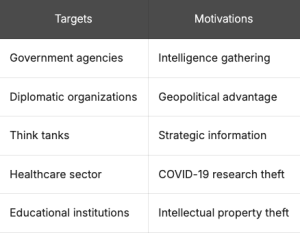
The group’s sophisticated operations are primarily driven by espionage objectives, aiming to gather sensitive information that can provide strategic advantages to its sponsors.
Notable attacks attributed to APT 29
Some of the most significant attacks attributed to APT 29 include:
The 2016 Democratic National Committee (DNC) hack
Breach of the Norwegian Parliament in 2020
SolarWinds supply chain attack in 2020
Targeting of COVID-19 vaccine research organizations in 2020
These high-profile incidents demonstrate APT 29’s capability to conduct complex, long-term operations against high-value targets across various sectors and countries. Their ability to remain undetected for extended periods and adapt their tactics makes them one of the most formidable cyber threats in the current landscape.

Now that we understand the basics of APT 29, let’s delve into their sophisticated arsenal of tactics and techniques that make them such a formidable threat in the cybersecurity landscape.
A. Spear-phishing and social engineering
APT 29 excels in crafting highly targeted spear-phishing campaigns and employing advanced social engineering tactics. These methods are designed to manipulate victims into revealing sensitive information or granting unauthorized access.
Tailored emails mimicking trusted sources
Exploiting current events and trending topics
Leveraging social media for reconnaissance
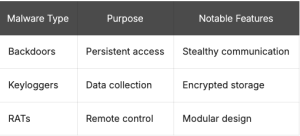
B. Custom malware and toolsets
The group is known for developing and deploying custom malware and specialized toolsets, making detection and analysis challenging for security teams.
C. Zero-day exploit utilization
APT 29 frequently leverages zero-day vulnerabilities, demonstrating their ability to discover and exploit previously unknown security flaws.
Targeting popular software and operating systems
Rapid weaponization of newly discovered vulnerabilities
Sophisticated exploit development capabilities
D. Stealth and persistence mechanisms
The group employs advanced techniques to maintain long-term access and evade detection within compromised networks.
Living-off-the-land tactics
Fileless malware execution
Rootkit deployment for deep system infiltration
E. Data exfiltration methods
APT 29 utilizes sophisticated methods to extract sensitive data from target networks while avoiding detection.
Encrypted tunneling protocols
Steganography for concealing data in seemingly innocuous files
Leveraging legitimate cloud services for data transfer
With these advanced tactics and techniques at their disposal, APT 29 continues to pose a significant threat to organizations worldwide. In the next section, we’ll explore effective strategies for defending against this formidable adversary.
Now that we’ve explored APT 29’s advanced tactics and techniques, let’s focus on how organizations can protect themselves against this sophisticated cyber threat.
Implementing robust cybersecurity measures
To defend against APT 29, organizations must adopt a multi-layered approach to cybersecurity:
Implement strong firewalls and intrusion detection systems
Use advanced endpoint protection solutions
Regularly update and patch all systems and software
Employ network segmentation to limit lateral movement
Employee training and awareness programs
Human error remains a significant vulnerability, making employee education crucial:
Conduct regular phishing simulations
Teach staff to recognize social engineering tactics
Enforce strict password policies and multi-factor authentication
Promote a culture of cybersecurity awareness
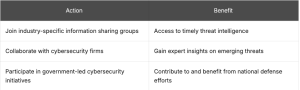
Threat intelligence and information sharing
Staying informed about APT 29’s evolving tactics is essential for effective defense:
Incident response planning
Despite best efforts, breaches may occur. A well-prepared incident response plan is crucial:
Develop and regularly test an incident response plan
Establish clear roles and responsibilities for the response team
Create communication protocols for stakeholders and authorities
Conduct post-incident analysis to improve future defenses
With these defensive measures in place, organizations can significantly improve their resilience against APT 29 and similar advanced persistent threats. Next, we’ll examine the global impact of APT 29’s activities and how they’ve shaped the international cybersecurity landscape.

With a clear understanding of APT 29’s tactics and defense strategies, let’s explore the far-reaching consequences of this threat actor’s activities on a global scale.
Geopolitical Implications
APT 29’s operations have significantly influenced international relations and diplomatic tensions. Their alleged involvement in high-profile cyber espionage campaigns has:
Strained diplomatic ties between affected countries
Raised concerns about election interference
Prompted calls for stricter international cybersecurity regulations
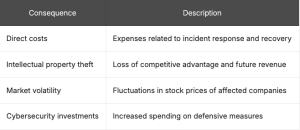
Economic Consequences
Cybersecurity Industry Advancements
APT 29’s sophisticated tactics have catalyzed advancements in the cybersecurity industry:
Development of advanced threat detection systems
Increased focus on threat intelligence sharing
Evolution of incident response protocols
Innovation in endpoint protection technologies
These advancements have not only improved defenses against APT 29 but have also elevated the overall cybersecurity posture of organizations worldwide.
As we look towards the future, it’s crucial to consider how these global impacts may shape the evolving landscape of cyber threats and defenses.

As cybersecurity continues to evolve, so do the tactics and strategies employed by advanced persistent threats like APT 29. Let’s explore the potential future developments and their implications.
Evolving tactics of APT 29
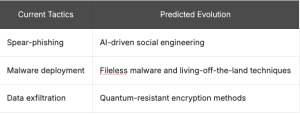
APT 29 is known for its adaptability and continuous refinement of techniques. In the coming years, we can expect:
Increased use of AI and machine learning for more sophisticated attacks
Enhanced stealth capabilities to evade detection
Exploitation of emerging technologies like 5G and IoT devices
Potential new targets and sectors
While APT 29 has traditionally focused on government and defense sectors, their scope is likely to expand:
Healthcare institutions with valuable research data
Critical infrastructure, including power grids and water systems
Financial technology firms handling sensitive economic information
Emerging technology companies developing cutting-edge innovations
International efforts to counter APT 29
As the threat landscape evolves, global cooperation will be crucial in combating APT 29:
Enhanced information sharing between national cybersecurity agencies
Development of joint cybersecurity exercises and simulations
Implementation of unified sanctions and legal frameworks against state-sponsored cyber activities
The future of cybersecurity will undoubtedly be shaped by the ongoing cat-and-mouse game between APT 29 and global defense efforts. As we move forward, staying vigilant and adaptable will be key to maintaining robust cyber defenses against this sophisticated threat actor.

Even if we do not talk about 5G (specifically), the security talent in general in the country is very sparse at the moment. We need to get more (security) professionals in the system.